


How online gaming transformed the industry
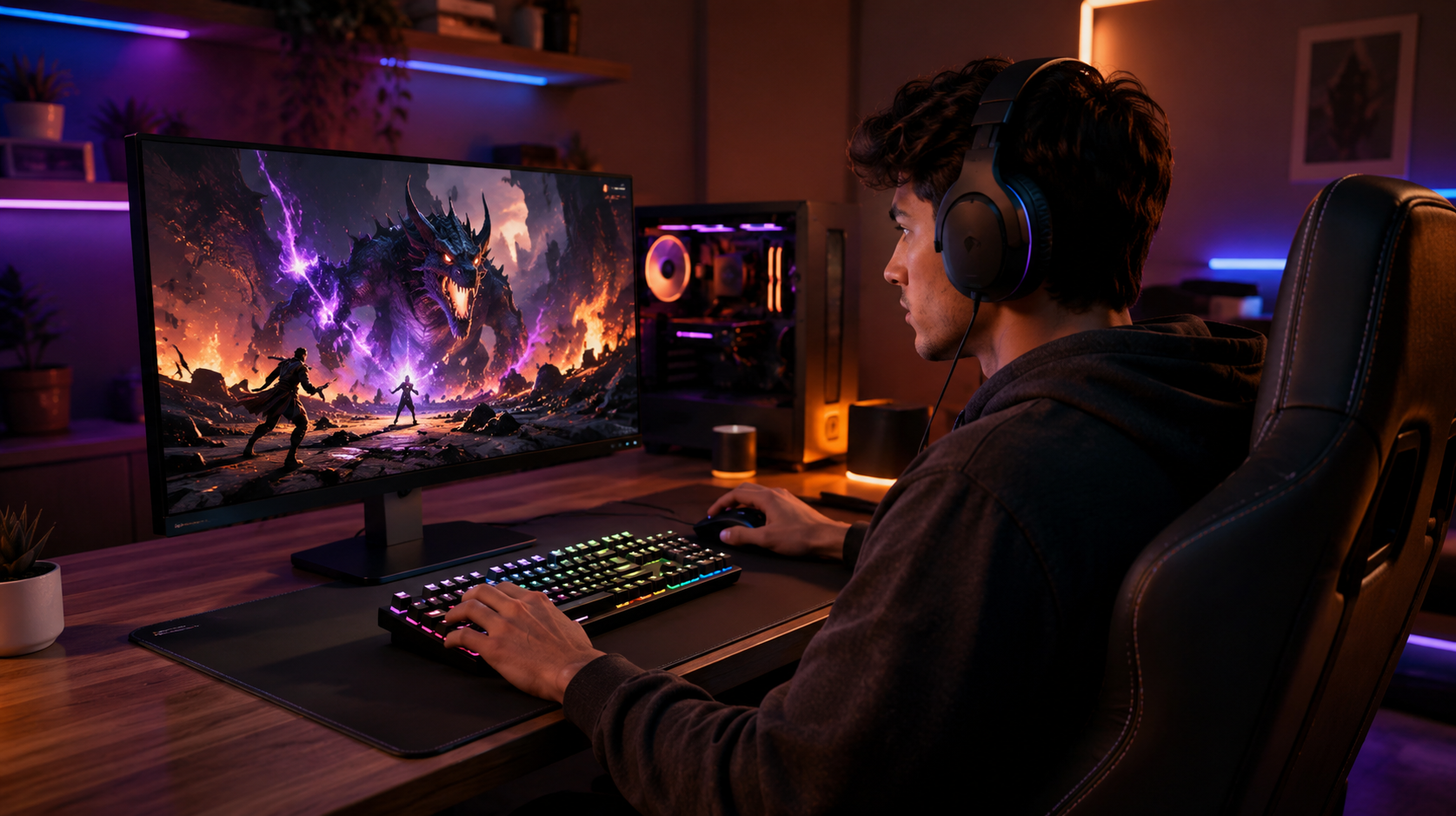
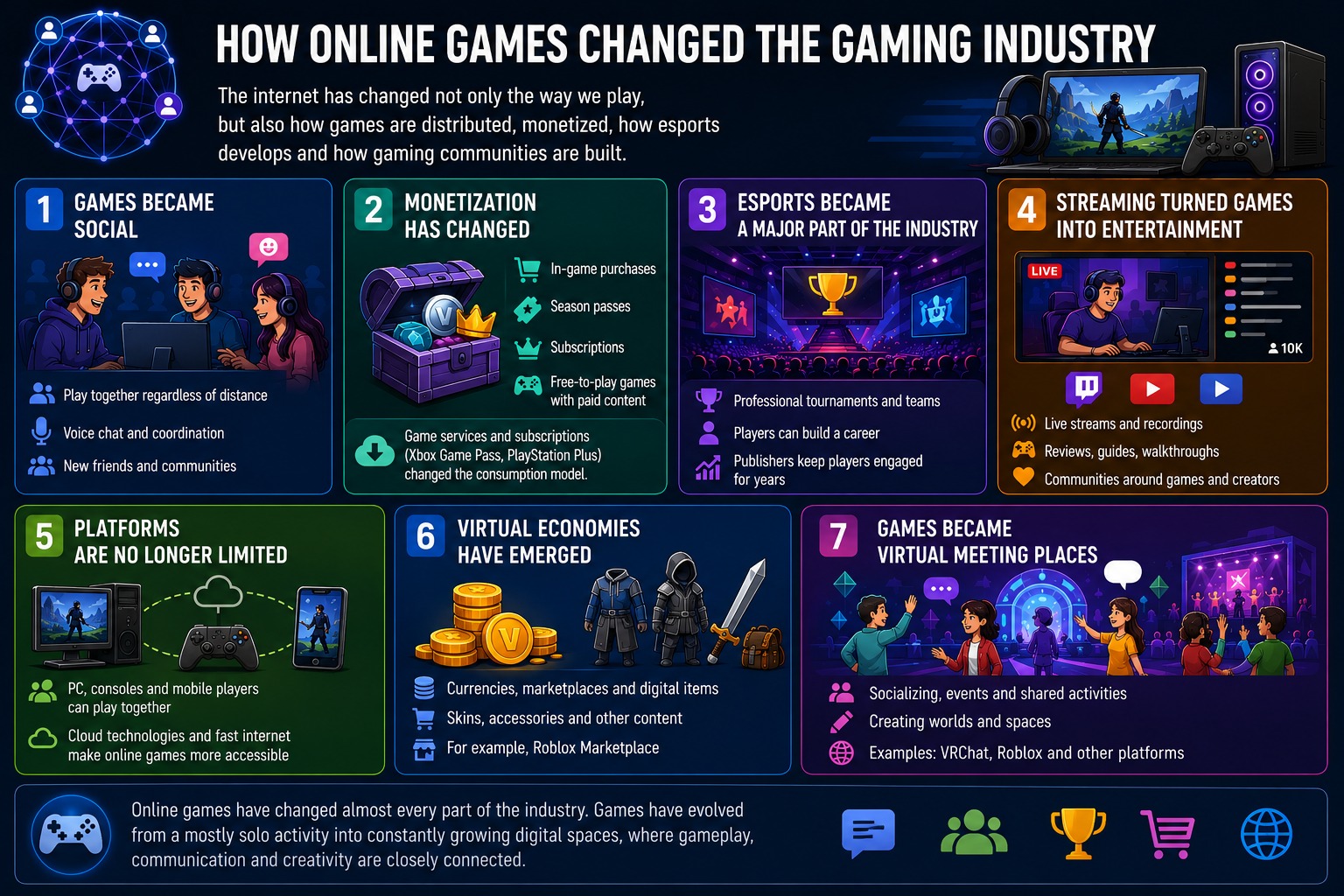
Over the past few decades, online gaming has fundamentally reshaped the gaming industry. Where the market was once dominated by single-player experiences and local co-op, players today meet in shared virtual worlds, compete, team up, and communicate in real time. The internet hasn’t just changed how games are played — it’s changed how they’re distributed, monetized, and experienced, while also giving rise to esports and thriving gaming communities.
1. Games became social
Multiplayer modes turned games into a genuine space for connection. In Call of Duty, Fortnite, Minecraft, and countless other titles, players can team up regardless of where they are in the world, coordinate over voice chat, and find others who share their interests. For many, gaming has become less about solo entertainment and more about spending time with friends — or making new ones.
2. The business model changed
Publishers once relied primarily on selling individual copies of games. Online gaming blew that model wide open. In its place came in-game purchases, downloadable content, season passes, subscriptions, and free-to-play games with optional paid content.
Games-as-a-service also became the norm — titles that evolve over years through updates, new seasons, and live events. Subscription services like Xbox Game Pass and PlayStation Plus further shifted how players consume games, offering access to a rotating library of titles for a monthly fee.
3. Esports became a major industry
Online gaming laid the groundwork for modern competitive esports. Titles like Counter-Strike, League of Legends, Dota 2, and Valorant now support entire ecosystems of professional teams, tournament organizers, commentators, analysts, and fans.
For top-level players, competition can become a full-time career. For publishers, esports has become one of the most effective ways to keep audiences engaged with a game for years on end.
4. Streaming turned gaming into a spectator sport
These days, games aren’t just played — they’re watched. Twitch, YouTube, and other platforms have made live streaming and gaming content a legitimate entertainment format in its own right. Creators broadcast live, post walkthroughs, reviews, tutorials, and tournament coverage. In doing so, they’ve helped build communities around specific games that extend well beyond the game itself.
5. Platform barriers are breaking down
Advances in online infrastructure, cloud technology, and high-speed internet have made online gaming more accessible than ever. Many modern titles support cross-play, allowing PC, console, and mobile players to share the same game world. Friends no longer have to own the same platform just to play together.
6. Virtual economies emerged
Many online games have developed their own currencies, marketplaces, and digital goods ecosystems. Players purchase character skins, accessories, and other virtual items. Roblox, for example, has an official Marketplace where users can buy and sell avatar items. Systems like these have turned digital goods into a legitimate segment of the gaming economy.
7. Games became virtual hangout spaces
Some online platforms have moved well beyond what most people think of as a “game.” VRChat, Roblox, and similar platforms let users socialize, attend virtual events, build their own spaces, and simply spend time together — with gameplay being just one part of the experience.
Online gaming has touched nearly every corner of the industry: from how players connect and content is distributed, to the rise of esports, subscription models, and virtual goods. Games have evolved from largely solitary experiences into ever-expanding digital spaces where play, community, and creativity are deeply intertwined.